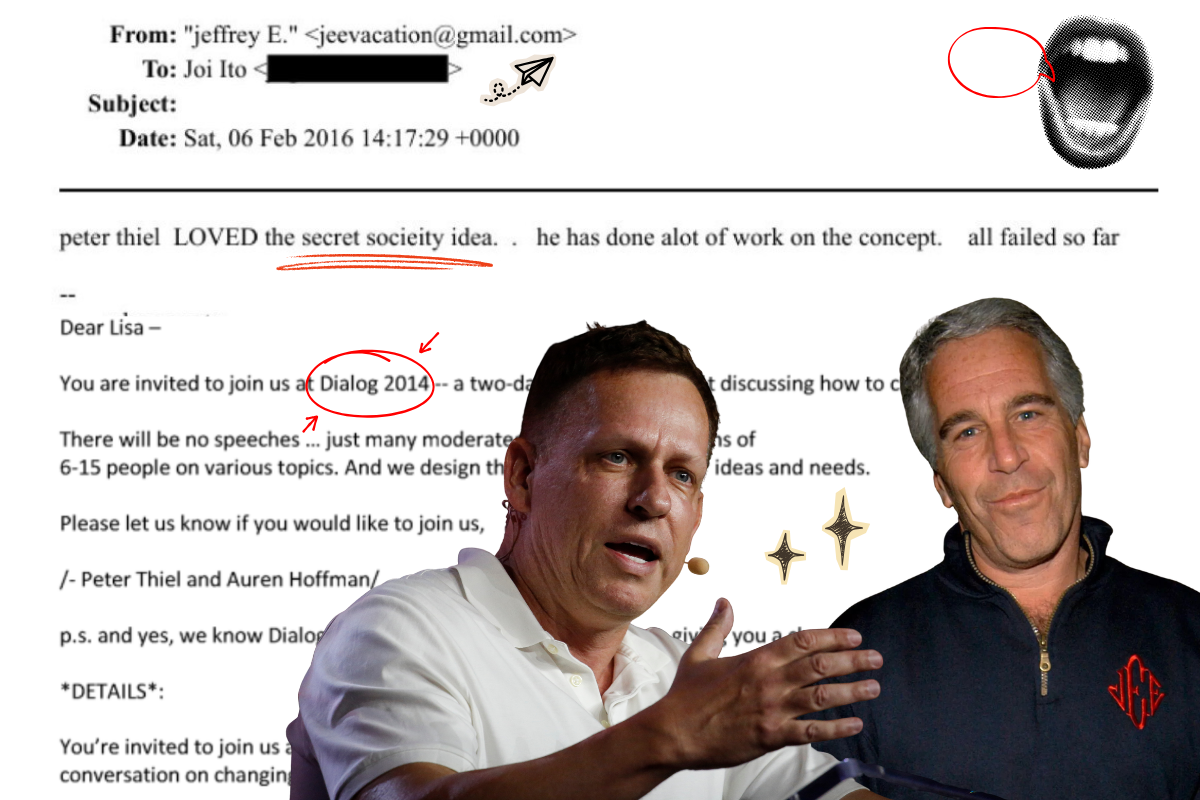
When the Department of Justice releasedmore than 3 million pagesof documents under the Epstein Files Transparency Act, survivors, advocatesand lawmakersquickly raised questions about an apparent discrepancy: the DOJ hadsaidit collected more than 6 million pages of material during its investigation but was only releasing half that number.
The Justice Department tells CBS News it "has released every document required by the Epstein Files Transparency Act," and maintains that those unreleased 3 million documents were either duplicative, unrelated to Epstein or protected by legal privilege.
But concerns persist about evidence that importantdocumentsare still being withheld. CBS News has analyzed the archive not only for what has been disclosed, but also for documents that appear to be absent. Our key findings include:
Questionable redactions, including public figures' namesMost Epstein emails from older accounts not included in filesMissing email attachmentsNo record of Signal communicationsLack of massage scheduling records after 2009Missing prison surveillance footageMissing documents from DEA investigation into EpsteinOther potentially relevant materials from ICE, Treasury, CIA and other agencies were not included because the law only applies to DOJ records.
The Government Accountability Office recently announced it was launching an investigation into the way documents that were released had information blacked out. That move comes at therequestof several members of Congress.
Rep. Robert Garcia, the top Democrat on the House Oversight Committee, says that if there are duplicates, "OK, that's fine, let's see them." He adds, "I think what people need to understand is … we're not sure what's in the 3 million."
Despite the unprecedented volume of material now available, it's apparent that many gaps remain in the public record surrounding Epstein's activities, his communication, the federal investigations into him and the circumstances surrounding hisdeath behind bars.
Our review identified several areas where important questions remain unanswered or documents appear to remain unreleased.
Redaction issues
The Epstein Files Transparency Act provides only limited grounds for withholding information or redacting names. Its primary purpose is to protect victims.The billspecifically excluded "reputational harm, or political sensitivity" as a reason for redacting. Yet in many instances prominent individuals' names were redacted while victims' names were not.
Some redactions seem difficult to justify. In one example, a text where Epstein sent Steve Bannon a link to an article, Bannon's face was blacked out in a photo that had already been publicly posted online.
Elsewhere, the names of business contacts and acquaintances of Epstein appear to have been redacted without an obvious reason under the terms of the law.
In another widely cited example, a2002 emailwith the signoff "Love, Melania" had the full name and email of the sender and receiver redacted. In April, first ladyMelania Trumpacknowledged having exchanged emails with Ghislaine Maxwell, saying in a statement that it "cannot be categorized as anything more than casual correspondence. My polite reply to her email doesn't amount to anything more than a trivial note."
The Epstein Files Transparency Act requires the DOJ to provide a justification for every redaction. It permits withholding information that "would constitute a clearly unwarranted invasion of personal privacy," but also states that all redactions must be accompanied by a written justification published in the Federal Register and submitted to Congress. The Department of Justice has made no attempt to address specific redactions and instead issued ageneral statementsaying its redactions were "[c]onsistent with the Act."
Members of Congress have been given the opportunity to review redacted material, but the process is time consuming and some have complained their searches arebeing monitoredby the DOJ.